In some seed catalogs, less than 5% of the listed varieties escape the most widespread standards. Yet, these rare species often adapt just as well as the classics, sometimes with superior resistance to diseases or unexpected blooming.
Local regulations sometimes limit the introduction of new plants, even as networks of enthusiasts exchange seeds and cuttings outside the usual channels. Some long-forgotten plants are resurfacing thanks to these discreet initiatives.
Why betting on originality in the garden changes everything
Thinking of your garden as a simple succession of flowerbeds and pots means missing out on immense potential. Daring to choose original plants opens the door to a vibrant, dynamic space where unexpected shapes and colors break the routine. Integrating a species like the V flower, the subject of a comprehensive file on Planète Maison, breaks the monotony of the flowerbeds and compels the eye to stop, to question the habits of the classic garden.
Choosing plants off the beaten path also provides a refuge for biodiversity. Carnivorous, exotic, hardy perennials, or those that self-seed, all these varieties become valuable hosts for bees, birds, and pollinating insects. A Rosea Irish heather to cover the ground with persistent foliage, a viridiflora tulip for late blooming: each choice multiplies interactions and energizes the life of the garden.
Originality in the garden is also a concrete way to adapt to varied, sometimes challenging conditions. Some rare plants thrive under the blazing sun, while others prefer the cool shade of a sheltered nook. Ollas or Oyas, these ingenious watering pots, allow for the cultivation of demanding varieties even during dry periods. The greater the diversity, the less diseases circulate, and the more the flowerbeds gain in relief.
A unique garden is never isolated from its environment. It interacts with the fountain, the mirror, the mosaic, or the sculpture, to create a space where each plant and each color tells a new story. Making this choice transforms the garden into a laboratory of inventiveness, at the crossroads of ecology and aesthetics.
Plants that surprise: unusual ideas and tips for adopting them at home
The quest for originality in the garden materializes in a few species that overturn established codes. The helychrysum Ruby Cluster, with its silvery reflections, requires a well-drained soil, shows little tolerance to moisture and cold, but brightens up spring and summer with its blooming. The Pink Octopus bellflower unfolds its astonishing pink tentacle-shaped flowers, equally at home on a balcony, in a planter, or in a flowerbed.
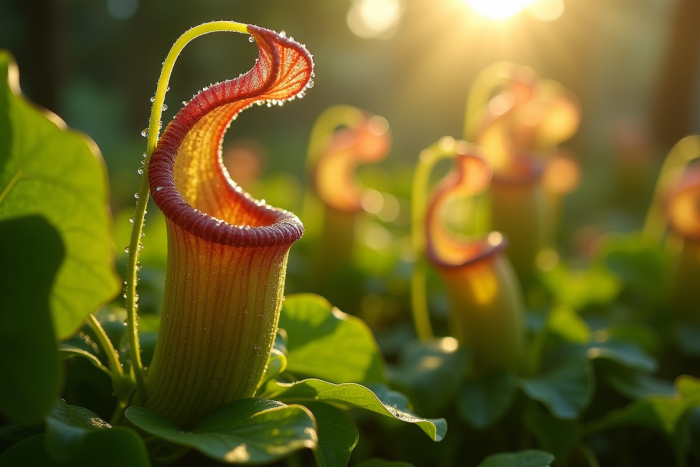
Adopting a Rosea Irish heather means betting on a persistent presence all year round, thanks to its evergreen foliage and robustness as ground cover. To provide contrast, the eryngium Neptune’s Gold, this thistle with golden foliage, thrives in dry soils and catches the eye. Those who love surprises will choose the fascinating Dionaea muscipula, the carnivorous plant, or the tillandsias that thrive without soil, simply suspended in the open air.
Here are some examples to consider for diversifying your flowerbeds and adding a touch of the unexpected:
- Aquilegia caerulea Virginia: resistant to dry periods and blooms in May-June.
- Primula vialii: an astonishing primrose, flowering from June to July.
- Fritillaria meleagris: purifies and protects, to be planted in cool soil.
Each original plant must match the exposure and nature of the soil. Perennials, from the broad-leaved hosta to the hardy sedum, enrich the sensory experience and offer a varied color palette. Autonomous watering systems like Ollas meet the needs of more delicate varieties. As biodiversity settles in, every corner of the garden becomes a field of experimentation and wonder.
A garden that dares to be different is not just beautiful: it intrigues, provokes thought, and invites discovery. And what if the next surprise was yours?