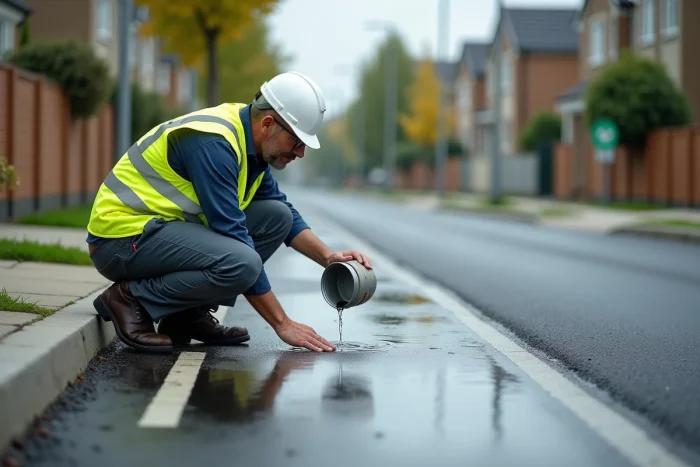
Compacted asphalt allows water to pass through, despite a persistent reputation for impermeability. Some types of asphalt mixtures retain moisture better or resist infiltration longer, but none completely block the passage of water over time.
The composition, application temperature, and maintenance directly influence the level of waterproofing. Uses vary according to needs for resistance, drainage, or comfort, which requires precise choices at the time of installation or renovation. Costs and durability also vary depending on the chosen technique.
Asphalt, a versatile material: composition, properties, and applications
It’s hard to imagine our cities without asphalt. This surface shapes roads, sculpts squares, and sets the rhythm of urban life. Its recipe? A calibrated mix of aggregates, gravel, sand, bound by bitumen, sometimes of plant origin. The dosage, grain size, and nature of the binder: each parameter affects the material’s resistance, appearance, and adaptability to its environment.
To clarify, just explore the range of asphalt mixtures. Black, discreet, and robust, dominates the roadways. Colored versions add character to public spaces. As for permeable asphalt, it meets the need to better manage rainwater by allowing water to infiltrate through the surface. Each context has its choice: heavy traffic, climatic constraints, ecological ambitions… the criteria are plentiful.
Asphalt is encountered far beyond roads. Bike paths, parking lots, pedestrian zones, playgrounds: the material is everywhere, tailored to each use thanks to custom compositions. Depending on the needs, the amount of sand, the nature of the bitumen, or the size of the aggregates can be adjusted to ensure comfort, robustness, and longevity.
To delve deeper into the subject, learn more on Eklectik allows you to explore the subtleties of each type of asphalt and evaluate their behavior in relation to water and the challenges of everyday life.
Hot or cold asphalt: what are the differences for waterproofing and maintenance?
Two main methods dominate the installation of asphalt: hot or cold. Each has its strengths, limitations, and meets different needs on the ground.
Hot asphalt is worked at high temperatures, between 140 and 180°C. This heat promotes the fusion of the bituminous binder and ensures perfect cohesion with the aggregates. The result: a dense, less porous surface that repels water better and withstands repeated vehicle traffic without weakening. It is the reference for roadways, parking lots, or construction sites subjected to heavy use. With this technique, the longevity of the surface is significantly improved, especially on heavily trafficked routes.
Cold asphalt, on the other hand, is used at ambient temperature. It appeals due to its quick implementation, ideal for urgently filling a pothole or repairing a localized section, without waiting for machinery and delays. Ready to use, it applies easily, but does not offer the same resistance or durability as hot asphalt. For a lasting result, it is better reserved for small surfaces or occasional repairs.
Here’s how their uses are distributed:
- Hot asphalt: suitable for new roads and major renovations, it ensures enhanced waterproofing and durable wear resistance.
- Cold asphalt: perfect for quick interventions and occasional maintenance, it finds its place on small surfaces or for emergency repairs.
Ultimately, the manufacturing, installation, and temperature play a decisive role in the quality of waterproofing and the lifespan of the asphalt. The choice must be adjusted to the nature of the project, the condition of the substrate, and the frequency of use.

Choosing the right asphalt: practical tips for a surface suited to your needs
Choosing your asphalt requires real thought. Behind the smooth surface of a coating, every detail matters: type of traffic, technical constraints, visual appearance, budget envelope. Each use has its formula.
For a driveable path, robustness is essential. A dense asphalt, rich in aggregates, guarantees good performance against repeated vehicle traffic. On a terrace or pedestrian courtyard, the choice of color, classic black or distinctive red, affects the appearance while maintaining sufficient surface permeability.
Here’s an overview of the main variants and their uses:
| Type of asphalt | Recommended use | Appearance |
|---|---|---|
| Black | Roads, driveable paths | Subtle, classic |
| Red | Bike paths, decoration | Warm, distinctive |
The cost depends on the type of aggregate, color, and surface to be covered. Red asphalt, more elaborate, requires a higher budget, but visually marks the space. The quality of the installation, thickness, and adaptation to the substrate are crucial for the success of the project.
Managing rainwater also deserves attention. On a less permeable surface, it is wise to plan a slight slope or opt for permeable asphalt. Regular maintenance, especially in heavily trafficked areas, extends the lifespan of the surface. Thanks to the diversity of asphalt mixtures, every soil finds the solution that suits it, whether for private access or a structuring public road.
In the end, asphalt, far from the smooth facade it is often given, reveals a palette of solutions and uses. Its ability to manage, or not, water makes it a material to master, not an infallible barrier. Choosing means weighing, anticipating, and sometimes accepting that perfect waterproofing remains a mirage on our roadways.