
You have booked a train ticket and realize that the traveler’s name is misspelled, or you wish to transfer your seat to someone else. The possibility of changing the name on an SNCF ticket depends on the type of transport title, the purchase channel, and the level of identity control expected on board. Here’s what you need to know before taking action.
Named tickets and transferable tickets: the distinction that changes everything
Not all SNCF tickets work the same way. On a TGV INOUI or an Intercités, the name and date of birth are entered before payment. The ticket is then linked to the traveler’s identity, and a QR code check associated with an identity document may take place on board.
In contrast, some TER or classic OUIGO tickets remain non-nominative. As long as no identity check is planned, these transport titles are freely transferable. In practice, another person can travel with your ticket without any special procedure.
Before you start a modification procedure, check if your ticket indicates the traveler’s name. If it does not, the question does not even arise: just pass the ticket to the concerned person. To better understand the steps to follow depending on each situation, it is useful to know exactly how to change the name on an SNCF ticket based on the booking channel.
Changing a name on SNCF Connect: what the platform actually allows
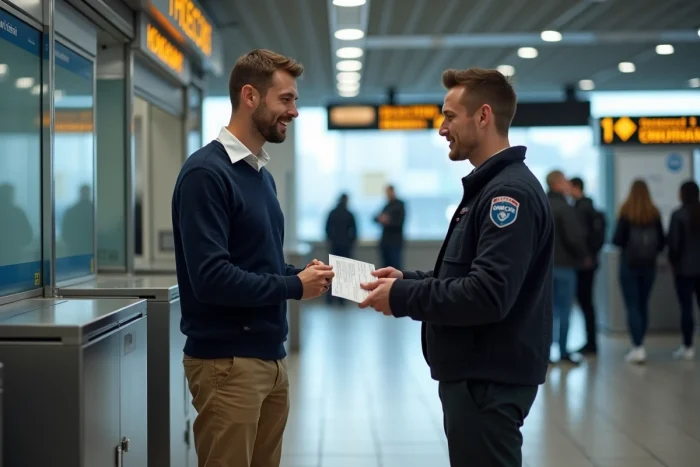
The overhaul of the General Terms and Conditions of Sale of SNCF Connect has clarified certain rules. Correcting a simple typo in the name (a missing letter, a switch of first name and last name) is generally tolerated. The traveler simply needs to present a corresponding identity document during the check.
However, purely and simply replacing one passenger with another on a named ticket is not an option offered in the SNCF Connect interface. The platform does not have a “change traveler” button. The only official route is to cancel the ticket (if the fare conditions allow) and purchase a new one in the name of the correct person.
Exchangeable offers make the process easier
Did you book a flexible or exchangeable fare ticket? Cancellation followed by a new purchase remains the most reliable method. The fees depend on the fare range chosen at the time of booking. A Prem’s ticket or a promotional offer is often non-exchangeable and non-refundable, which seriously complicates the situation.
Before canceling, check the conditions attached to your ticket directly in your SNCF Connect space. You will find the mentions regarding exchange and refund applicable to your transport title.
Ticket purchased through an intermediary: different rules
Did you book on Trainline, through a travel agency, or another reseller? The procedure changes. The General Terms and Conditions of Sale stipulate that modification requests must be addressed directly to the third-party seller, not to SNCF.
This point is often a source of confusion. Even if SNCF would accept a correction on its own channel, the intermediary may apply its own fees or refuse the modification. Each platform sets its own after-sales service conditions.
- On Trainline, name changes are not always possible depending on the carrier and the type of ticket. You must go through the platform’s customer support.
- A physical agency may sometimes make the modification for you, but additional processing fees often apply.
- Tickets purchased through bundled offers or gift vouchers follow even more restrictive rules, often detailed in the product’s specific conditions.
Always keep your booking confirmation and file number. These elements are essential for any request to the seller.
Identity check on board: what happens in practice

The rise of the dematerialized ticket and QR code checks has made identity verification more frequent on TGV INOUI and Intercités. SNCF reminds in its conditions that passenger information must be accurate and may be verified during the check.
In practice, a small typographical error (missing accent, forgotten hyphen in a compound name) generally passes without difficulty. The inspector compares the name displayed on the ticket with the identity document and shows some flexibility for obvious typos.
However, traveling with a ticket bearing a name completely different from yours exposes you to a regularization on board. The “ticket lending” between close contacts is becoming less tolerated on high-speed lines. The tolerance that existed a few years ago has diminished with the generalization of the nominative QR code.
Case of tickets linked to a discount card
If your ticket was purchased with an Avantage card or a subscription, identity checks are almost systematic. The name on the ticket must match the cardholder’s name. It is impossible to lend this type of transport title without risking a fine.
Three reflexes to adopt before booking
- Check the spelling of the first and last name before confirming payment. A quick review takes a few seconds and avoids complicated procedures.
- Prefer exchangeable fares if your travel plans are not final. The price difference can be trivial compared to the cost of a lost ticket.
- Book directly on SNCF Connect rather than through an intermediary if you anticipate a risk of modification. You will maintain control over your file without depending on third-party customer service.
Changing the name on an SNCF ticket remains an operation limited by fare conditions and the purchase channel. For non-nominative tickets, the question does not arise. For named tickets, it is better to cancel and repurchase than to attempt an informal arrangement, especially on lines where identity checks have become the norm.