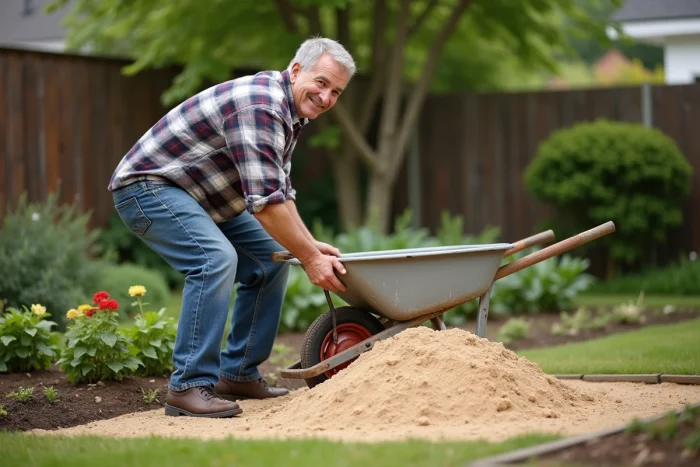
Tons of sand end up forgotten each year, stored on the side of roads or behind construction barriers. Yet, sometimes it just takes a bit of common sense and a helping hand from neighbors to give it a second life at the bottom of a garden.
In many municipalities, recovering sand after public works is not a problem as long as it is not intended for resale. Surpluses from halted construction sites or overly generous deliveries accumulate and rarely go to waste. These neglected mounds could, however, transform many flower beds or garden paths.
Collaborative platforms and local support networks regularly post ads to give away sand. The law, however, remains strict on illegal extraction: any direct removal from nature exposes one to penalties. It’s better to stay vigilant and gather information before filling your bucket, to avoid unpleasant surprises.
Why free sand is increasingly appealing to amateur gardeners
It’s impossible to ignore sand when looking to improve your garden. It brings air, facilitates drainage, and lightens overly compacted soil: a real boost for vegetable gardens, lawns, or flower beds. On a terrace or balcony, sand also works wonders in planters or as a base for creating a custom substrate. The rise of permaculture has strengthened this appeal: recovering and using sand aligns with a recycling and pragmatic approach, true to the spirit of mindful gardening.
Environmental defense associations encourage this thoughtful use of sand, inviting the valorization of local materials that would otherwise remain unused. Some communities even organize collection points for excess from construction sites or public works, thus promoting short circuits and limiting waste.
The enthusiasm for free sand is also explained by a desire to protect ecosystems and adopt a gardening style that is less resource-intensive. Exchange groups among enthusiasts, sharing networks, and local initiatives are multiplying, all driven by the same practical question: where to find free sand. On the platform ‘Where to find free sand for your garden – Escapades aux Jardins’, you can find addresses, contacts, but also a firm reminder of the rules to follow to protect nature.
Where to find sand without spending: addresses, good deals, and little-known tips
To find free sand, you often need to keep an eye out where others see only an abandoned pile. Construction sites frequently generate surpluses, sometimes offered directly to local residents. Meeting with the site manager or chatting with the workers is sometimes enough to recover these excesses without unnecessary formalities. Quarries and sand pits, even disused ones, may agree to donate a small amount as long as you approach the right contact.
The banks of rivers or certain watercourses also offer sand, but only if you stay within the rules. Areas where floods deposit sediments or corners sheltered by natural hedges are sometimes rich in usable sand for the garden. However, caution is required regarding the fragility of these environments: collection should be adjusted according to the sensitivity of the site, without ever taking more than necessary.
Often, the town hall or community services can indicate accessible locations or report stocks from public works. Environmental associations also play a relay role, connecting those who have sand to give away with those who are looking for it. On Escapades aux Jardins, you can find a map of initiatives and precise indications for each listed site.
Here are some sources to explore for recovering sand without opening your wallet:
- Participate in urban clean-ups and engage with local residents
- Collect sand deposits after strong winds, near hedges or at the bottom of a rainwater collector
- Inquire at the Sand Museum, which sometimes reports free sites in your area
At the beach, vigilance is essential: collection is heavily regulated and monitored by the town hall. It is only allowed for very modest quantities and in specific locations, always after obtaining permission. It’s better to turn to other options if you want to stay within the rules.

Smart gardening: how to use recovered sand to boost your plants
Before pouring sand into your flower beds, make sure to check its cleanliness. Remove leaves, roots, or other debris that may be hiding in it. A quick rinse in a large basin of fresh water helps limit pollutants or unwanted residues, especially if the sand comes from a construction site or a river. Store the sand in a bucket or a sealed bag, away from moisture, to maintain its texture and prevent moss formation.
To improve your garden soil, add a thin layer of sand and then mix thoroughly while digging. This technique lightens the soil, promotes drainage, and prevents roots from suffocating, whether for grass, a flower bed, or a vegetable garden. On clayey or compacted plots, sand allows water to infiltrate better and facilitates plant growth.
Here are common uses for recovered sand, to test according to your needs:
- Spread on the lawn, then rake to help young shoots take root
- Mix with the soil of flower beds to make it lighter and easier to work with
- Create paths, walkways, or fill a sandbox for children
If the sand comes from a construction site or a river, a final rinse is recommended. In a permaculture approach, integrating collected sand sparingly improves soil aeration and promotes the life of microorganisms. Communities and environmental associations also remind us of the benefits of sand topping, occasionally, on sports fields or in parks, where soil quality conditions the vitality of vegetation.
Ultimately, a simple pile of recovered sand can transform the soil and open new perspectives for your garden. Now it’s just a matter of spotting the right opportunity and enjoying the pleasure of seeing nature take over, one shovel at a time.