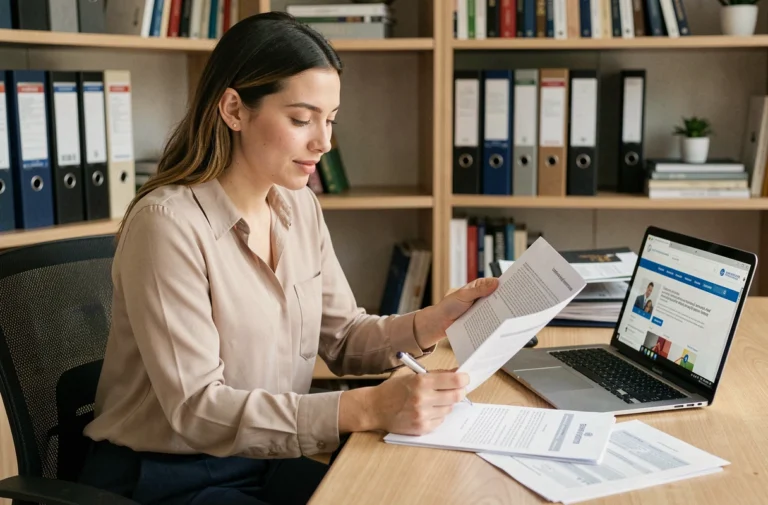
The choice of a destination is never the first recommended step in preparing for a discovery class: the development of the educational project precedes any booking. Despite the increasing number of support systems, administrative constraints remain the primary reason for project abandonment.
Experienced teachers report that collaboration with local partners reduces logistical surprises by half. The majority of incidents recorded during school trips could have been avoided with a precise distribution of responsibilities within the educational team.
Why a discovery class changes a class’s life
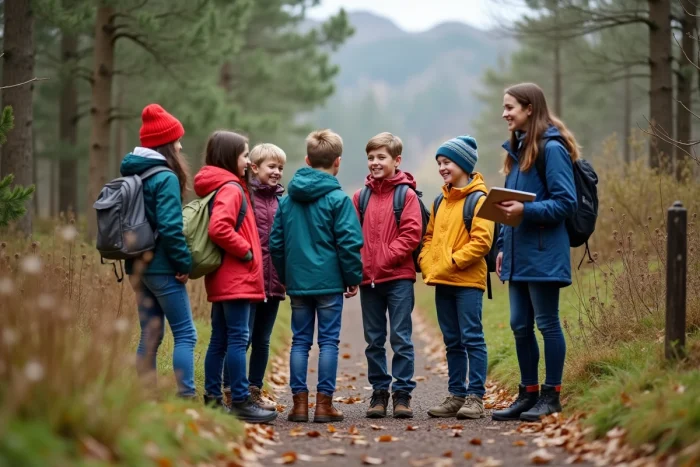
A discovery class trip shakes up the routine of school life, triggering a real awakening in students. Changing the environment, leaving the classroom for the trails of Savoie or the mountainous terrain, breaks habits and opens up new horizons. On site, children discover much more than nature or geography: they confront the unexpected, engage in collective life, and learn to see their peers from a different perspective. Away from the blackboard, they explore the forest, observe wildlife, take ownership of heritage, and awaken their curiosity.
But this discovery does not stop at landscapes: it also disrupts group dynamics. A school trip bonds students, redefines connections, and shifts reference points. Teachers notice that team spirit naturally emerges through shared activities and evening gatherings. Children develop their autonomy, take on new responsibilities, and learn to look out for one another.
Here are three concrete benefits observed on the ground:
- Experiential learning: each student becomes an actor in their own journey, building their knowledge from real experiences.
- Group strengthening: the bonds formed during the trip endure, transforming the classroom atmosphere upon return.
- Openness to the world: the discovery class often marks the first major collective journey, an adventure that leaves lasting impressions long after returning.
Partir en Classe offers each child a unique educational experience. This step is not just a simple episode in the school journey: it has a lasting influence, sometimes reveals vocations, brings forth talents, and embodies the very notion of learning.
What are the key points for calm and effective preparation?
Organizing a discovery class involves balancing administrative requirements, educational desires, and family expectations. The success of a school trip depends on rigorous organization and flawless communication. From the outset, it is essential to establish a clear framework: objectives, schedule, budget, site selection. Families must be involved, as should the students, because collective commitment arises from everyone’s involvement.
To anticipate the main challenges, it is useful to rely on a checklist of points to monitor:
- Logistical preparation: plan for weather-appropriate clothing, assemble a first aid kit, and obtain all necessary permissions from the national education authorities.
- Transparent communication: share all practical information with parents, explain the program, and reassure them regarding safety and supervision.
- Pedagogical strategy: link each activity of the school trip to concrete learning outcomes, then prepare materials to highlight the experience of the students and foster discussions upon return.
Tips for organizing a memorable trip also include considering specific needs: allergies, dietary restrictions, sleep patterns. The discovery class is built through listening, flexibility, and trust. Every detail, from the choice of activities to daily dialogues, shapes the calm and collective experience.
Concrete tips to enrich the experience on-site and after the trip
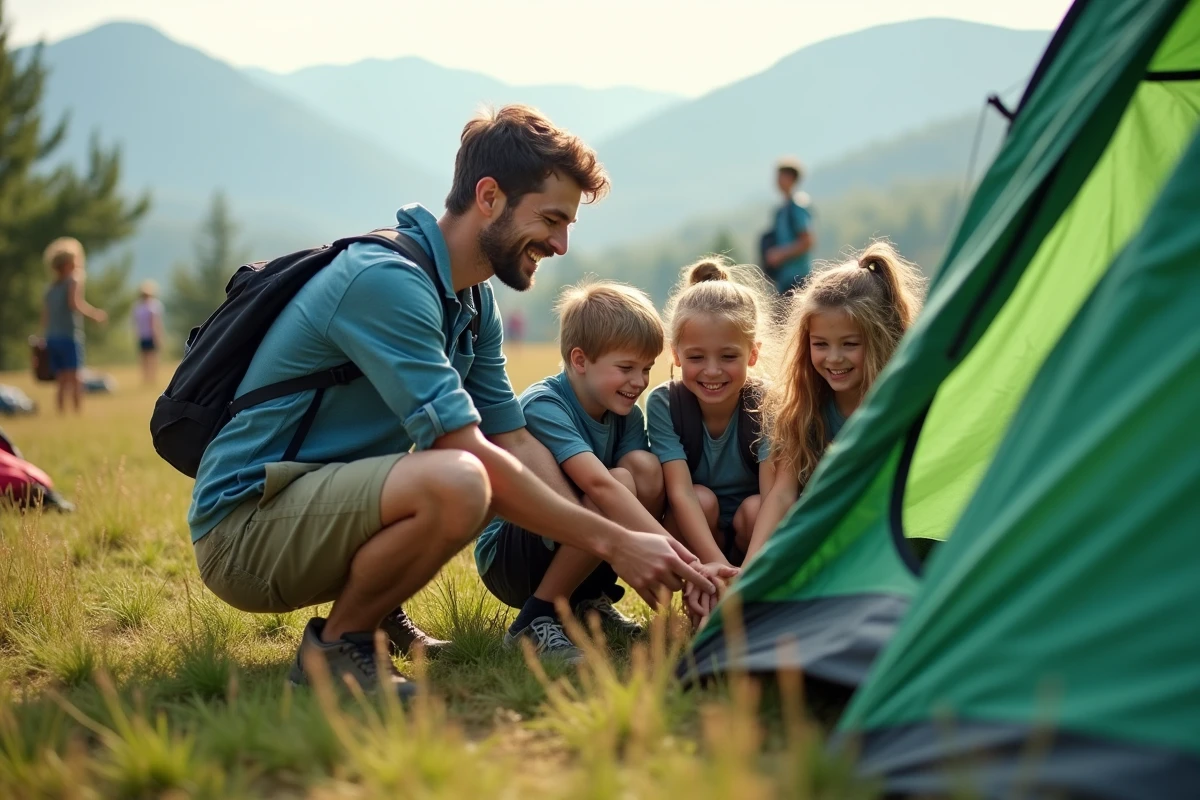
On the ground, the discovery class truly comes to life through educational activities that encourage initiative. Involve the students: assign them the management of a collective notebook, have them alternate between observation games and workshops exploring the local flora and fauna, especially during trips to the mountains or snow. Outdoor educational activities, from weather observations to creating naturalist sketches, provide a concrete dimension to learning and foster curiosity.
To strengthen the group spirit, prioritize cooperation: organize evening gatherings, solve collective puzzles, and conduct local cooking workshops. This dynamic nurtures trust and commitment from everyone. Remember to document the trip: photos (with parental consent), audio recordings, and cross-interviews of students. These records will enrich the memory of the discovery class trip and enhance the debriefing.
After returning, highlight the learning outcomes. Suggest writing an article for the school newspaper, creating an exhibition, or a digital notebook recounting the highlights of the school trip. This extension helps consolidate knowledge, involve families, and give everyone the chance to share their experience. An educational adventure gains its full meaning when shared and integrated over time. This is often where the desire to go further, to discover differently, awakens. The next discovery class is just waiting to be invented.