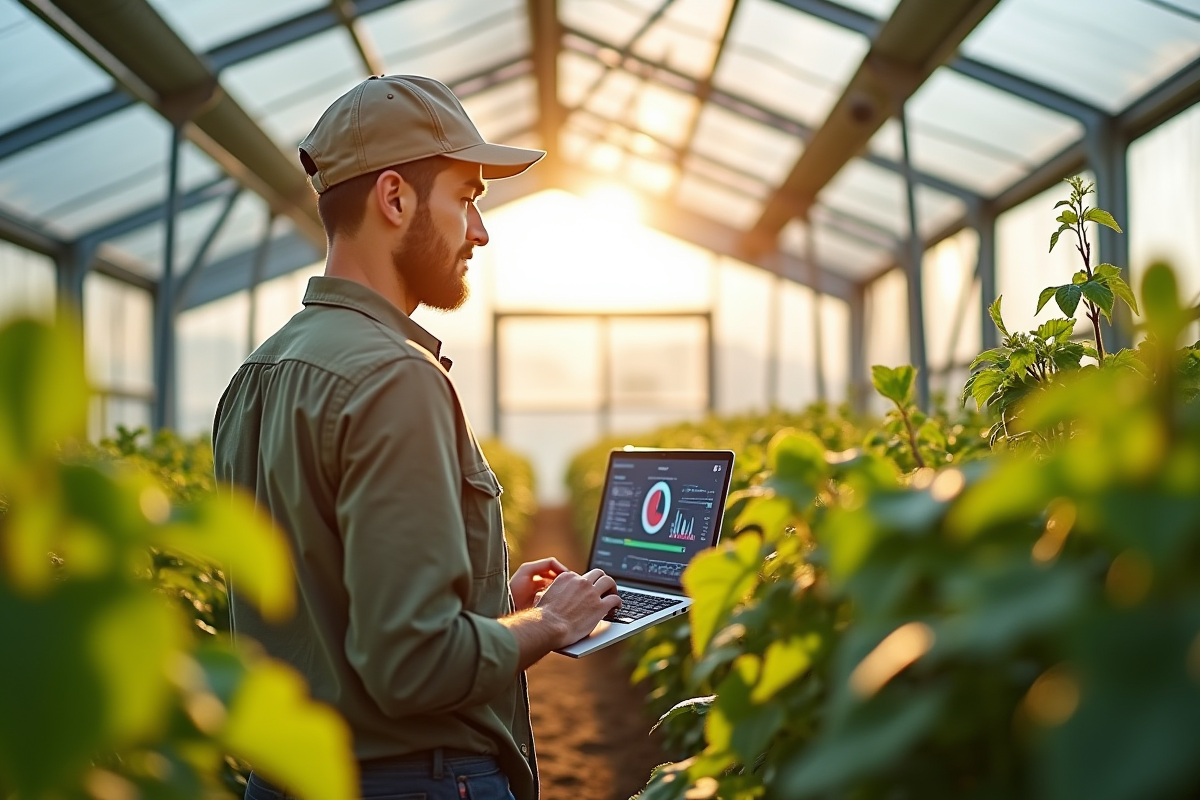
A sensor nestled in a haystack, ready to alert the farmer before heat turns into disaster. A QR code stuck on a machine’s metal sheet, detailing the complete saga of its breakdowns and even anticipating the next one. This is the daily life of a sector long attached to its old practices, now swept up by the digital wave.
From the field to the table, digital tools are everywhere, twisting centuries-old habits to inject data, management, and precision. No one today imagines marketing a batch of flour or a carton of milk without this discreet ballet of software, sensors, and platforms. Should we still be surprised that the cloud has risen to the rank of an ally as crucial as the weather for the agri-food sector?
Where does digitalization stand in the agri-food sector today?
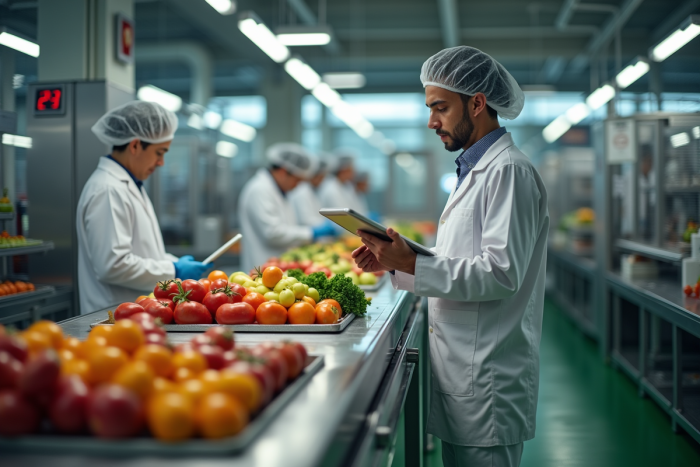
The agri-food sector has taken a decisive step on the path to digital transformation. Far from being limited to a few automations or the elimination of paper, digitalization in agri-food now permeates every cog, from crop monitoring to quality certification. This shift reshuffles the cards of traceability, imposes a new rigor in data management, and brings forth unprecedented reflexes.
The cloud has established itself as the backbone of these new practices: it streamlines exchanges, provides instant access to information, while raising the burning question of cybersecurity and the requirements of GDPR. Agri-food companies, whether small or giants, are deploying collaborative solutions in droves to manage production, trace flows, and centralize compliance documents. The Cooperl extranet is living proof: it concentrates sensitive data and simplifies dialogue among all links in the chain.
- Automated and digitized quality control
- Document management aligned with European standards
- Enhanced protection of customer and supplier data
It is impossible to ignore the shockwave of digital transformation: rethought production planning, predictive maintenance, optimization of product life cycles… The digitalization of the agri-food sector disrupts jobs, accelerates decision-making, and imposes a culture where data reigns supreme. Yet, each company moves at its own pace: the adoption of these tools reveals a fluid sector, where mastering information flows becomes a powerful lever of competitiveness.
Overview of essential digital tools for industry professionals
| Tool | Main Functionality | Impact |
|---|---|---|
| Manufacturing Execution System (MES) | Real-time production tracking | Optimization of production management |
| IoT (Internet of Things) | Automated data collection on machines and products | Improvement of traceability and maintenance |
| Blockchain | Unforgeable certification of supply chain stages | Strengthening of transparency and trust |
| Artificial Intelligence | Predictive analysis and automation of quality controls | Gain in precision and risk anticipation |
Digital solutions and mobile applications: towards increased operational efficiency
- Mobile applications simplify logistics management and provide vigilant oversight of stocks, even from a distance.
- Robotics energizes packaging and increases speeds without sacrificing quality.
The agri-food sector today juggles these new technologies to boost supply chain visibility, ensure compliance, and shorten product journeys. In the face of complex flows, companies are betting on the interoperability of their digital tools: a true balancing act to streamline information flow and build a more agile agri-food industry.
Tomorrow, a click may be enough to reveal the entire journey of a grain of wheat or a tray of meat. Digitalization has not finished reshuffling the cards of the sector – and the technological gamble, far from being a foregone conclusion, still promises great surprises.