
A digital faux pas, and an entire cohort holds its breath. An innocuous-looking email, an enticing promise, or a supposedly official warning: it takes little for the university routine to tip into general alert. In the hushed corridors of campuses, cyber threats lurk, silent, ready to pounce on the day’s carelessness.
Between exchanging handouts or tips for passing exams, who really takes the time to discuss the reflexes needed to barricade their inbox? The traps are subtle: fake seminars, fraudulent messages signed “technical service,” urgent requests for information. The boundary blurs, and security is rarely built on intuition. Sometimes, it takes the jolt of a hacked account to understand that anyone can be a target.
Why university messaging attracts so many cyber threats today
In the shadow of the digital transformation of higher education, university messaging has become a prime hunting ground for cybercriminals. Whether in Paris, Marseille, or Saclay, each university holds a treasure trove of information: personal data, academic results, confidential correspondence between researchers and staff members. It’s a true goldmine, enticing both isolated scammers and organized international networks.
The variety of profiles – students, teachers, administrative staff – complicates the security of internal exchanges. Remote access, the widespread adoption of solutions like Zimbra at UPSUD, multiplies the entry points for attacks. IT teams must contend with an avalanche of technologies and criminal operating methods that are constantly reinventing themselves.
- Phishing attacks exploit habits and credulity: identity theft, fake official alerts, booby-trapped emails to collect credentials or spread viruses.
- Data protection, under the guidance of GDPR, requires universities to maintain constant vigilance against the risks of information leaks or diversion.
To prevent university messaging from becoming the breach through which everything collapses, we must roll up our sleeves: strengthen technical measures, train users, and above all, never let our guard down. One moment of relaxation, and the consequences can be immediate.
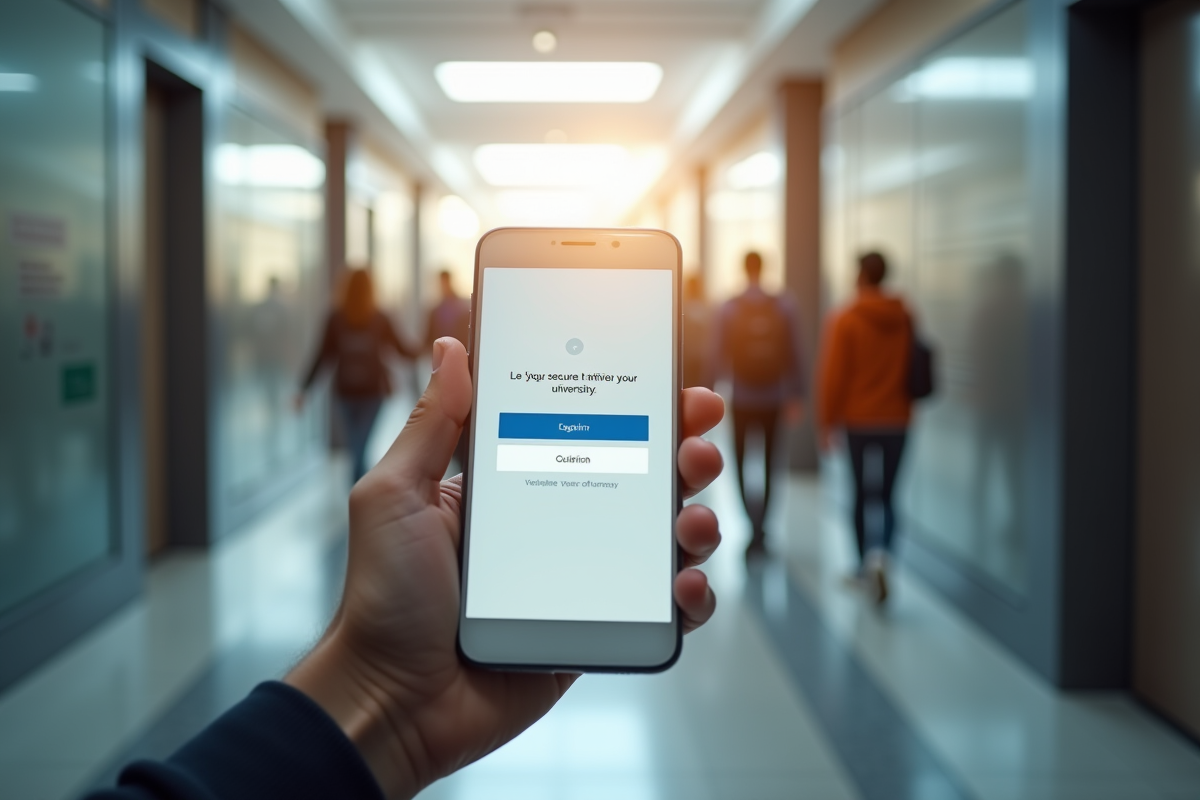
Practical checklist: essential reflexes to keep your inbox safe
Attacks leave no room for hesitation: everyone, from first-time entrants to lab directors, must build solid defenses around their university email address. First pillar: password management. There’s no need to play the hero with “azerty123”: opt for unpredictable sequences, mix letters, numbers, symbols, vary uppercase letters, and resist the temptation to recycle old codes. A strong password is already a fortified door.
Attachments: the temptation to click is great, especially if the email seems to come from a colleague or a professor. But before opening anything, pause. Scrutinize the sender, put the email in context, and refuse any automation. An innocent-looking file can hide a disaster.
- Enable two-factor authentication whenever possible. This additional filter discourages most intrusion attempts, even if your password accidentally leaks.
- Keep an eye on the forwarding rules set in your messaging. Some malware uses them to discreetly siphon off your conversations.
Learn to spot the weak signals of phishing: suspicious links, unusual phrasing, addresses that deviate by a character. Vigilance, combined with a good dose of training, reduces the impact of these insidious campaigns.
Finally, don’t neglect updates for your tools: an outdated browser or email client is an open invitation for hackers. Patches fix known vulnerabilities that serve as entry points for attacks. The security of university messaging is a matter of discipline but also of solidarity. Because in the digital age, the negligence of one can expose all the others.
The campus empties, the bluish light of screens still glows. One unfortunate click, and the entire university can falter. The real difference: the one each person chooses to make every day.