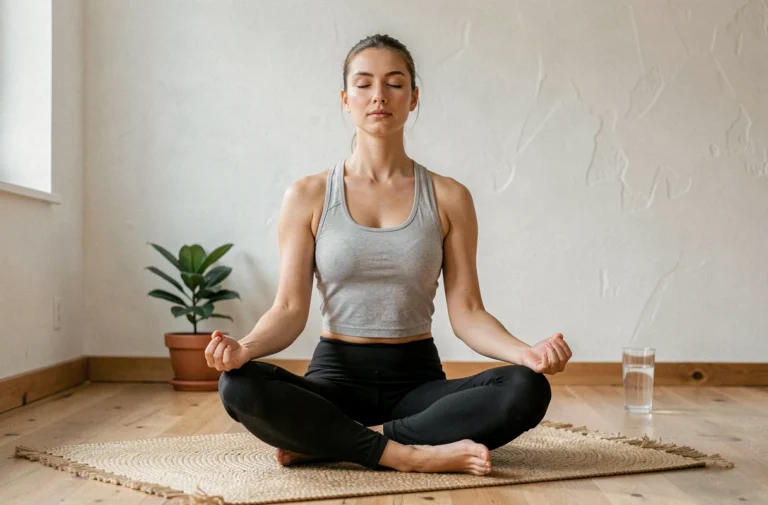
A colleague resumes running after ten years of stopping. After three weeks, he sleeps better, digests better, and reports fewer lower back pains. This kind of return is often mentioned when discussing sports resumption, but the mechanisms behind these changes go far beyond simple cardio gains. Regular physical activity affects biological systems that are rarely associated with sports, from the gut microbiome to the regulation of sedentary time.
Sport and gut microbiome: an underestimated link
We spontaneously think of muscles, breath, and weight. Rarely of the gut flora. A literature review published in Sports Medicine in 2023 shows that regular exercise modifies the composition of the gut microbiome, with an increase in certain bacteria linked to better metabolic regulation and lower chronic inflammation.
The notable point: these effects appear even without significant weight loss, as long as several sessions per week are maintained. We’re talking about active walking, cycling, swimming, not necessarily intensive sessions. The body responds to regularity, not performance.
For those seeking structured support in their resumption, resources like faire-du-sport.com help identify activities suited to their level and overall health goals.
This benefit on the microbiome opens a concrete avenue: when suffering from mild chronic digestive issues (bloating, irregular transit), incorporating moderate physical activity can be a first lever before any heavy dietary modifications.
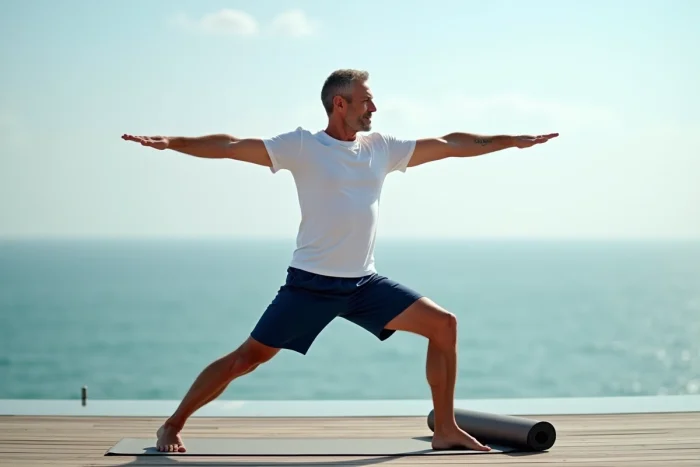
Physical activity against sedentariness: sport alone is not enough
This is an angle that most articles on the benefits of sports do not address directly. The WHO and UNESCO, in their joint 2023 report on physical activity, emphasize a specific point: a high volume of sport does not compensate for the effects of prolonged sitting.
In practical terms, someone who runs three times a week but spends eight to ten hours a day sitting still retains a significant metabolic risk. The official recommendation combines two distinct actions: engaging in regular physical activity and actively reducing sedentary time.
Breaking long sitting periods
In practice, this means getting up every forty-five minutes or so, walking for a few minutes, changing posture. One can add micro-movements throughout their workday:
- Taking phone calls standing or while walking, which easily accumulates about twenty minutes of movement per day
- Replacing one out of every two meetings with a walking version when the format allows (brainstorming, small team check-ins)
- Using a timer to interrupt blocks of sitting work, even when concentration is good
These adjustments do not replace a sports session, but they complement its effect. The combination of physical activity and reduction of sitting time produces better results than each of these strategies taken in isolation.
Mental health and physical exercise: beyond endorphins
The effect of sports on mental health is often summarized by the release of endorphins. This explanation is correct but incomplete. Regular physical activity also affects sleep quality, concentration at work, and the ability to manage prolonged periods of stress.
Sleep is probably the first noticeable benefit. A person resuming moderate activity (three sessions per week of thirty to forty-five minutes) generally notices an improvement in falling asleep and the duration of deep sleep within the first few weeks.
What type of exercise for mental health
Feedback varies on this point, but some trends emerge. Moderate endurance activities (brisk walking, cycling, swimming) seem more effective for chronic anxiety than high-intensity exercises. Practices that combine movement and coordination (dance, martial arts, climbing) show a positive effect on concentration and working memory.
Choosing an activity that one maintains over time matters more than the intensity of each session. A light jog practiced three times a week for six months produces more effects on mental health than an intensive program abandoned after three weeks.

Exercise on prescription: the High Authority of Health at the forefront
The High Authority of Health now positions sport as a frontline lever against loss of autonomy in older adults. This is no longer a vague recommendation: adapted physical activity is prescribed as a full-fledged treatment.
This evolution changes the perception of sports in the medical field. General practitioners can direct their patients to supervised programs, often accessible through Sport-Health Houses spread across France.
Who benefits from exercise on prescription
The target audiences are not limited to seniors. People with chronic diseases (type 2 diabetes, cardiovascular conditions, musculoskeletal disorders) benefit from tailored sports support. The medical framework ensures a progressive program, adjusted to the patient’s actual capabilities.
- Sessions are supervised by sports educators trained in chronic conditions
- Medical follow-up allows for adjustments in intensity based on health status changes
- Costs are partially covered in certain local schemes
The approach is far from cosmetic. We are talking about structured programs over several months, with measurable objectives: improving balance, gaining muscle strength, reducing joint pain.
Sport is not just a question of appearance or performance. Its effects on the microbiome, managing sedentariness, mental health, and medical care paint a much broader picture. Starting with two to three moderate sessions per week, while regularly breaking long sitting periods, already forms a solid foundation for deriving concrete benefits.